Art Museum Hotels: Extraordinary Stays Surrounded by Contemporary Collections
From a contemporary art museum in Louisville to Tadao Ando’s island architecture in Japan, discover hotels where collections, thoughtful interiors and everyday rituals share the same address.
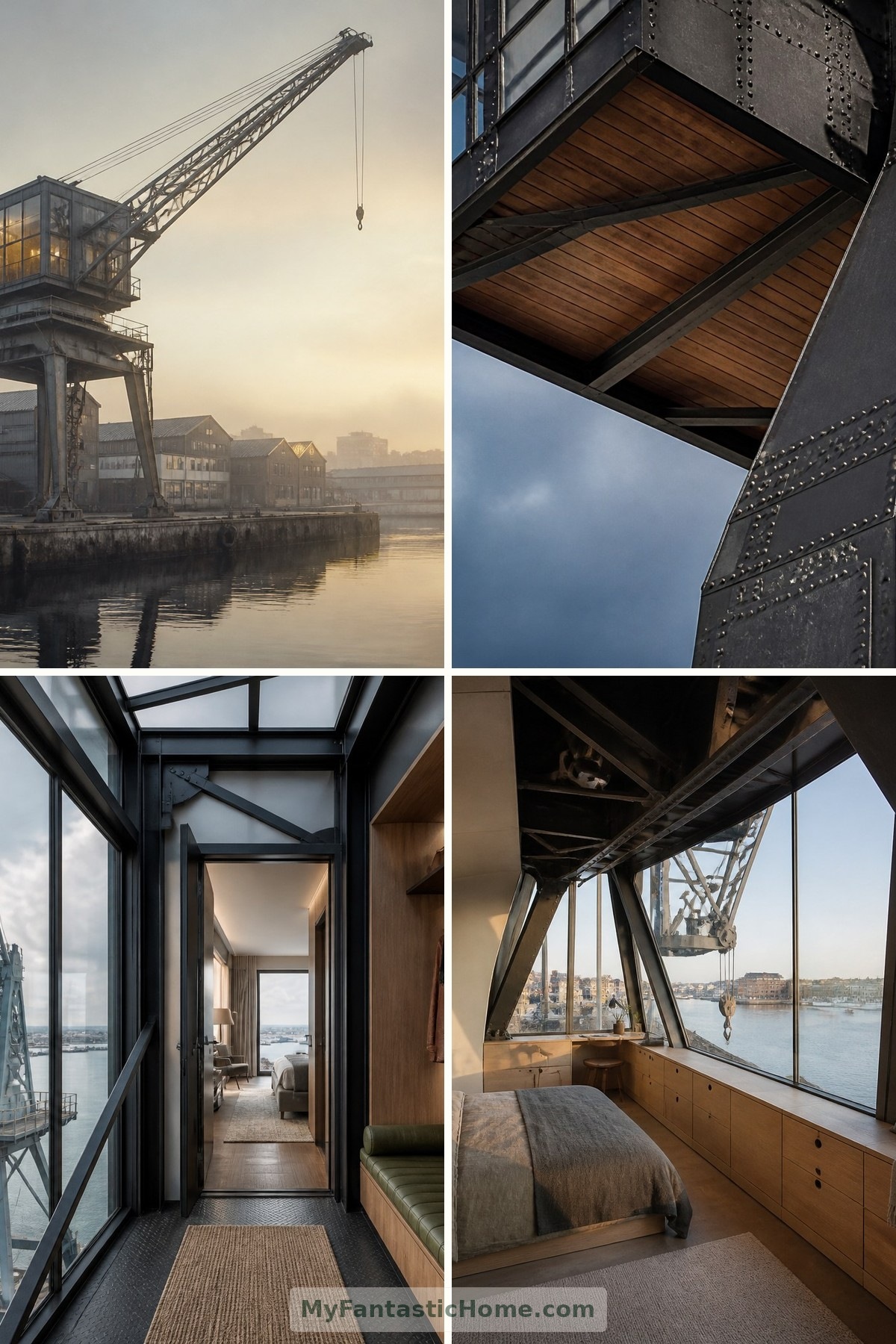
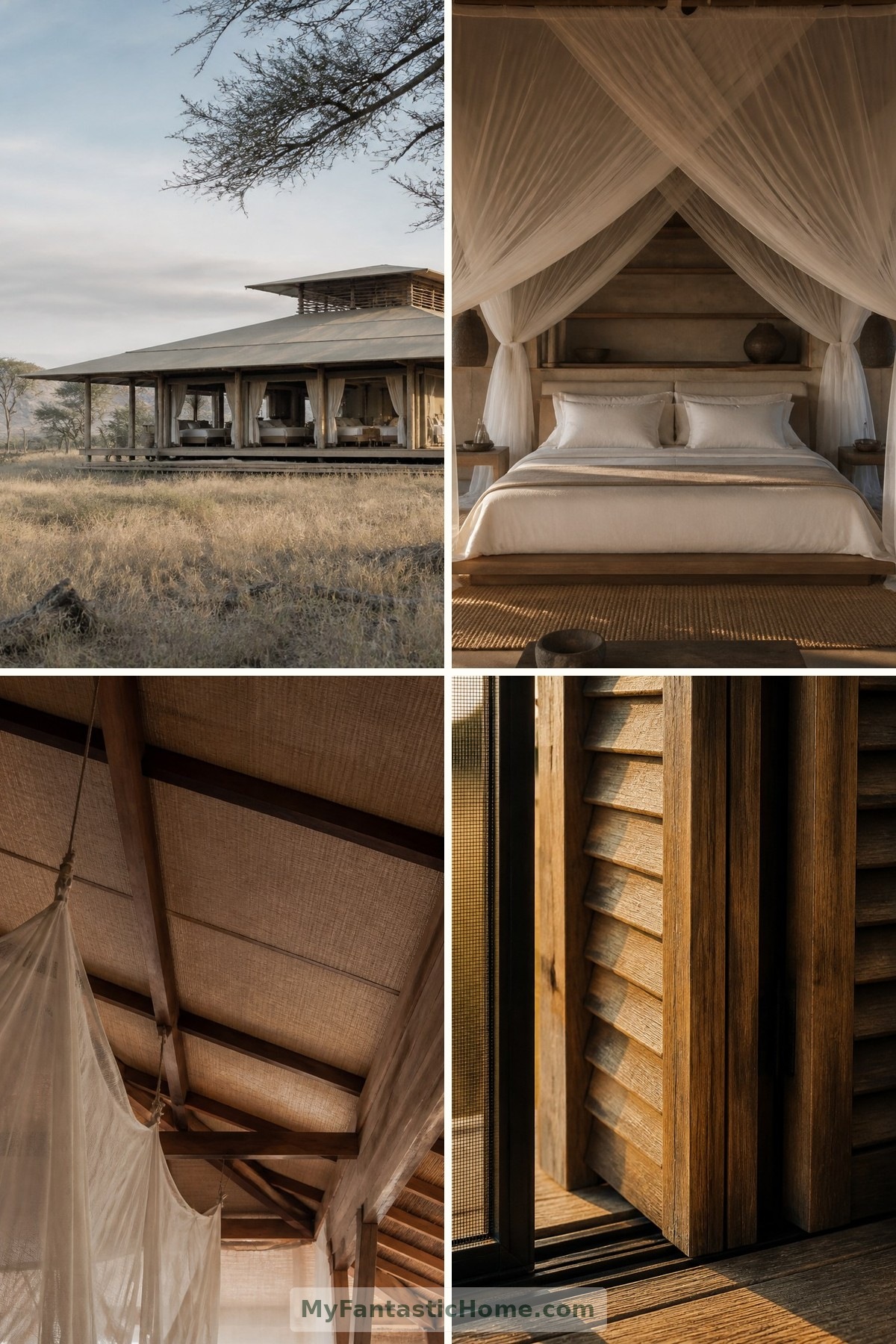
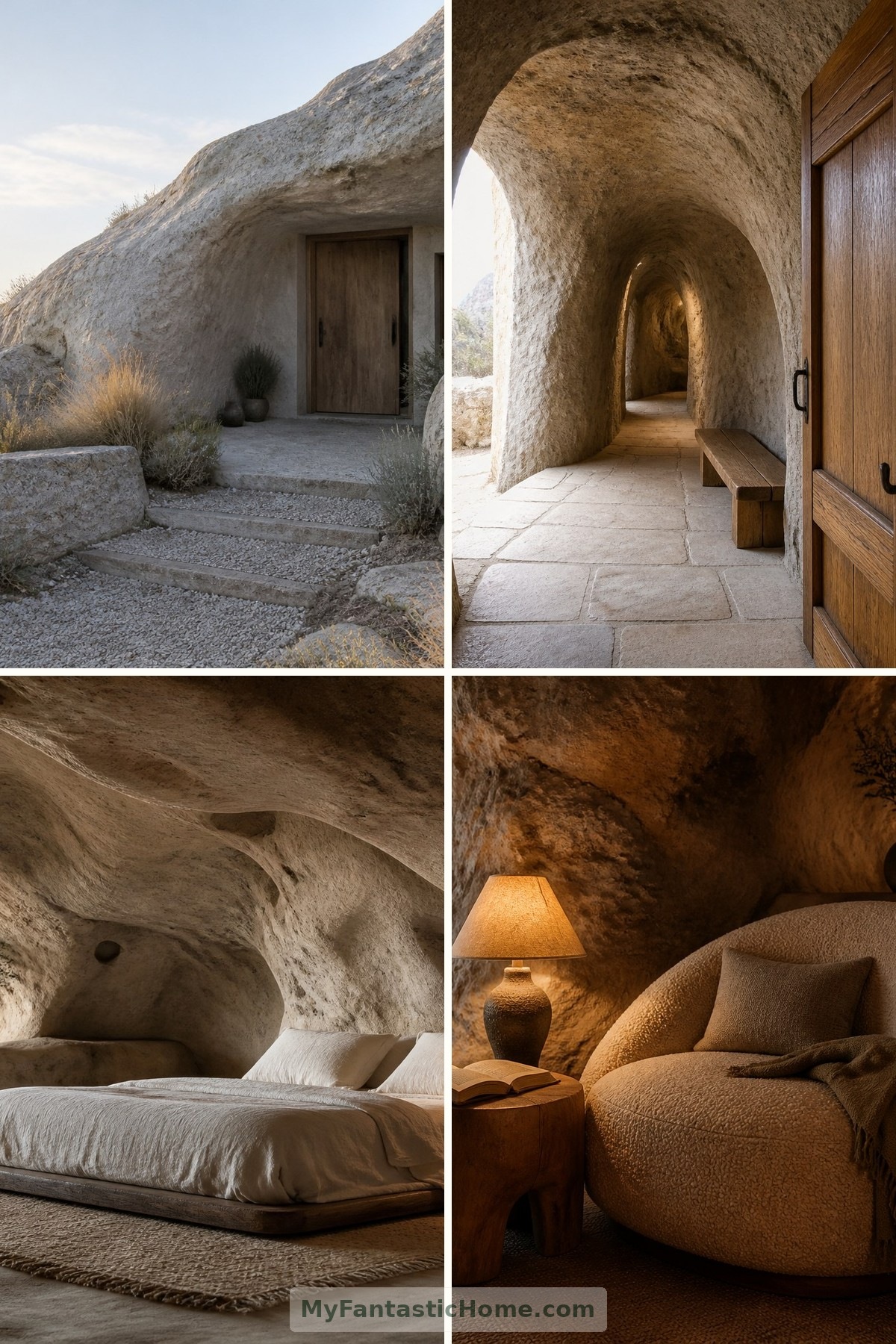
AI-generated concept imagery. These illustrations are not documentary photographs or proof that a place exists.
MyFantasticHome.com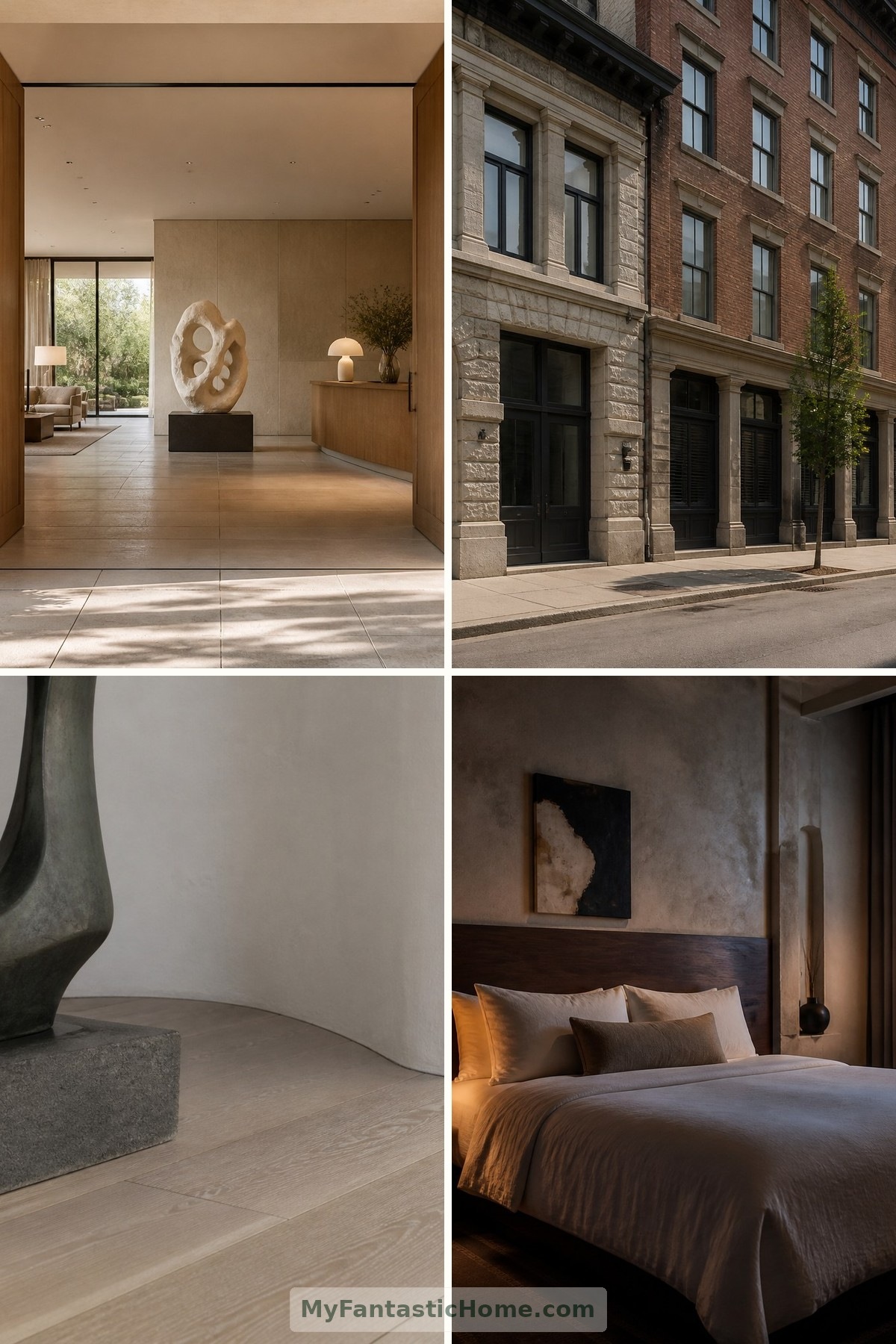
Imagine coming downstairs not simply for breakfast, but for an encounter with contemporary art. Museum hotels bring that possibility into daily life, placing bedrooms alongside spaces for looking, questioning and lingering. The most compelling examples offer more than beautiful backdrops: they suggest how living with art can change our sense of home. The hotels below are real; conceptual images are identified separately.
Louisville: A Museum Woven into the City
At 21c Museum Hotel Louisville, contemporary art and hospitality occupy a group of historic downtown buildings. Its museum identity is central, rather than a decorative afterthought: exhibition spaces invite sustained attention beyond the bedroom.
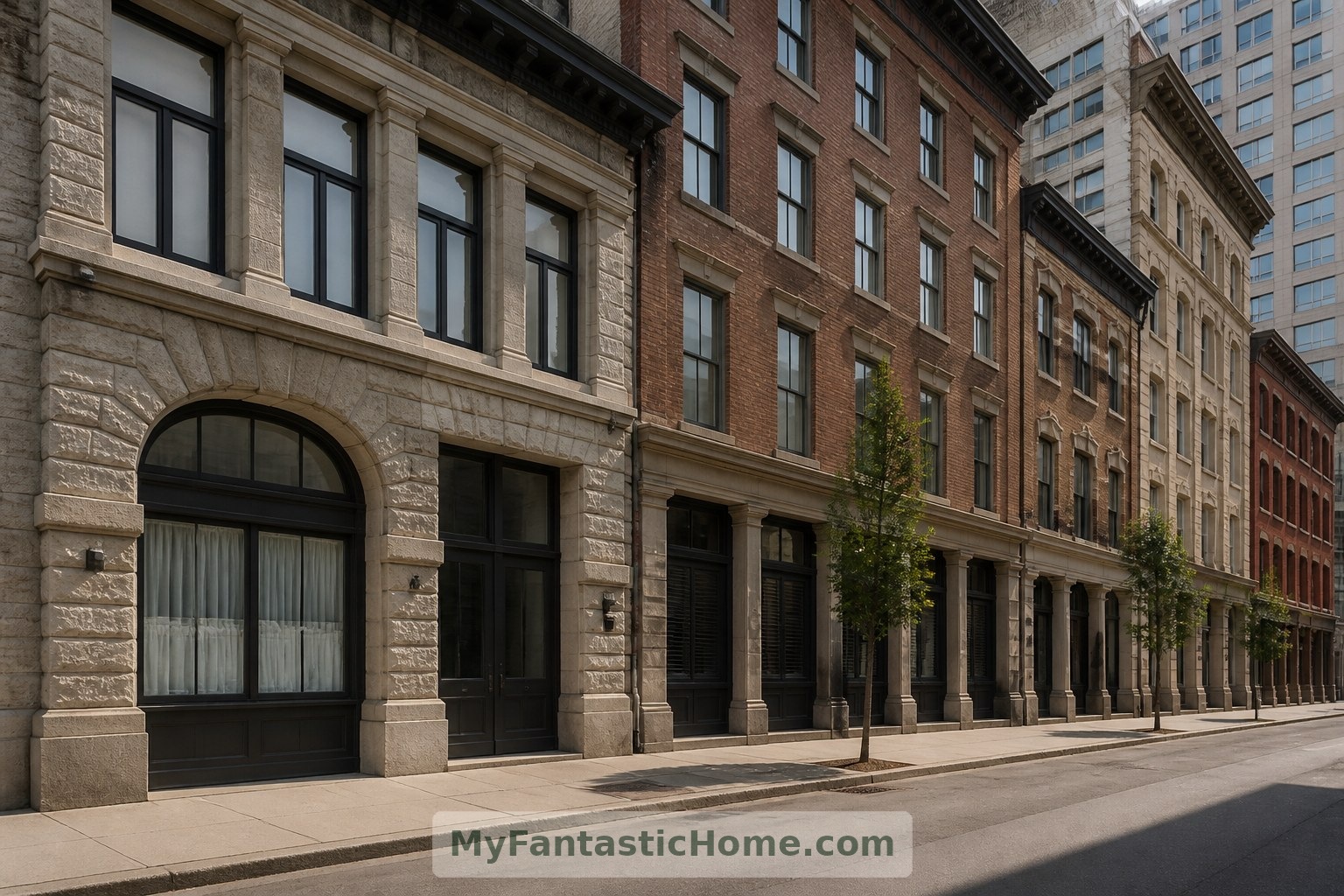
The architectural appeal lies in the meeting of old urban fabric and new creative energy. For anyone dreaming of a collection-filled home, the lesson is generous: art need not be confined to a formal room. It can shape the experience of arriving, moving through and inhabiting a building.
Durham: An Art Deco Address, Reconsidered
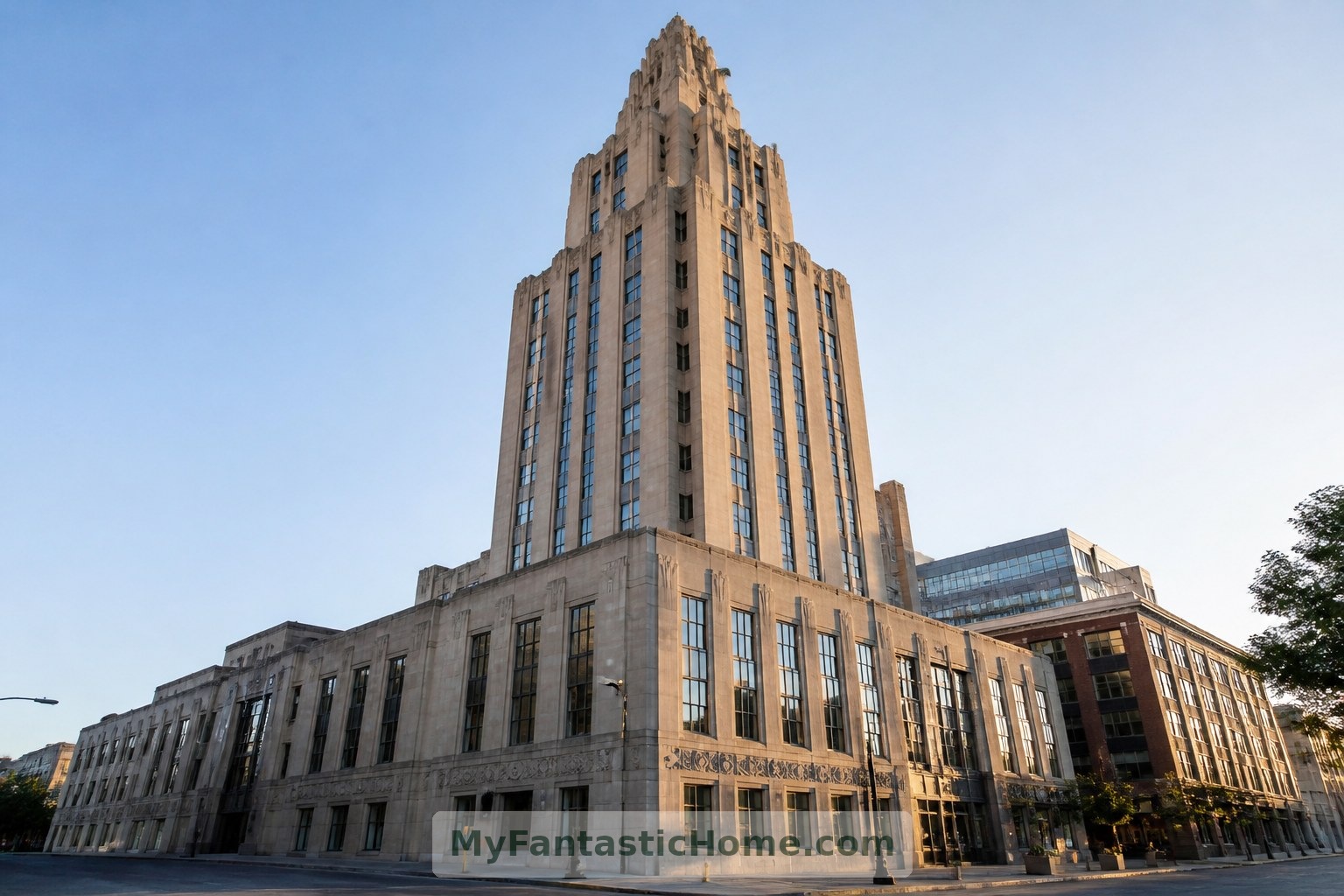
21c Museum Hotel Durham occupies the historic Hill Building, an Art Deco tower that gives the hotel a distinctly vertical presence. Here, the encounter between contemporary exhibitions and an older architectural framework adds another layer to the stay.
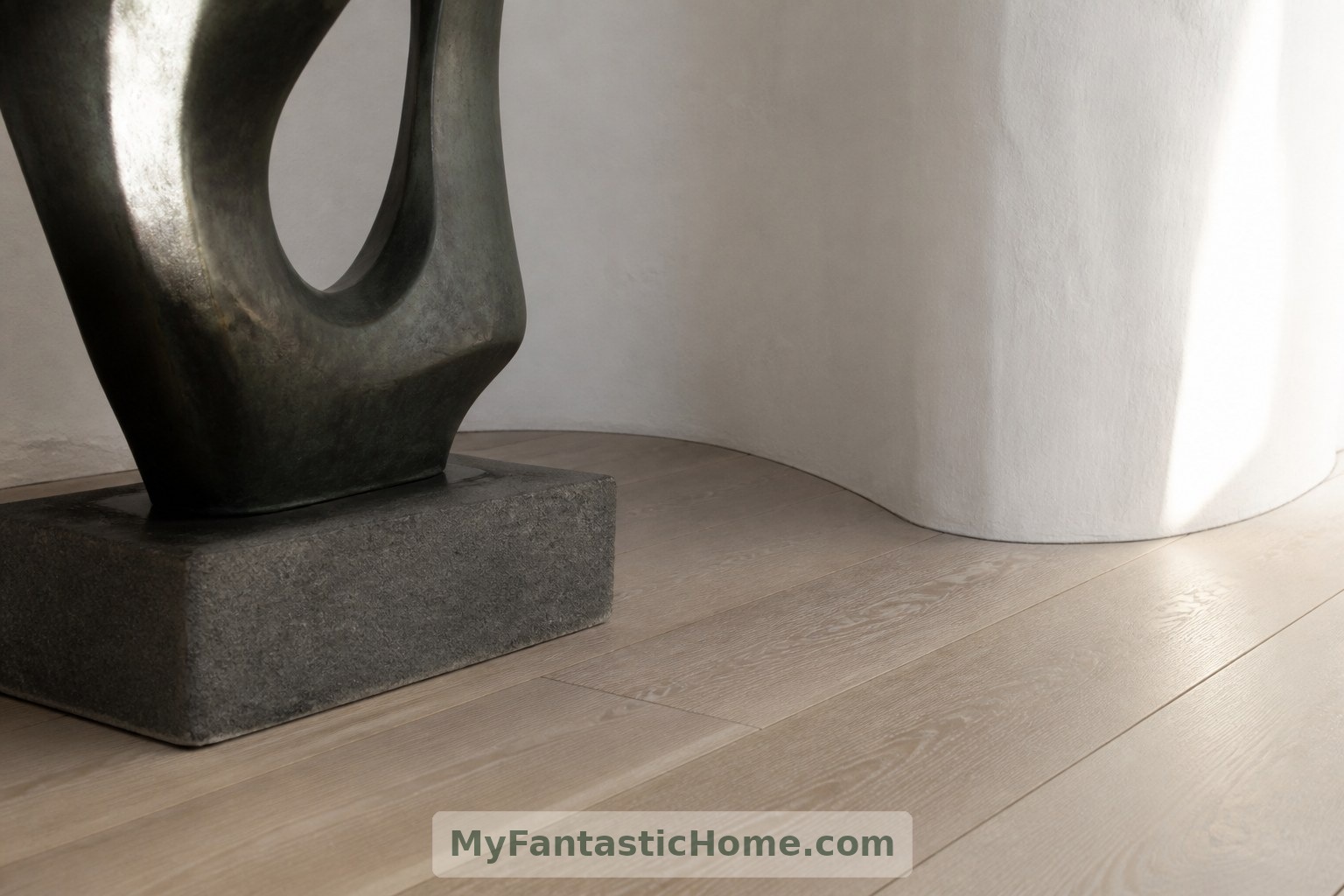
That contrast is worth borrowing at home. A period interior does not demand period art, nor does contemporary work require an entirely white setting. Strong proportions, a clear sightline and room to step back can create a more rewarding encounter than elaborate decoration.
Naoshima: Art, Architecture and the Inland Sea
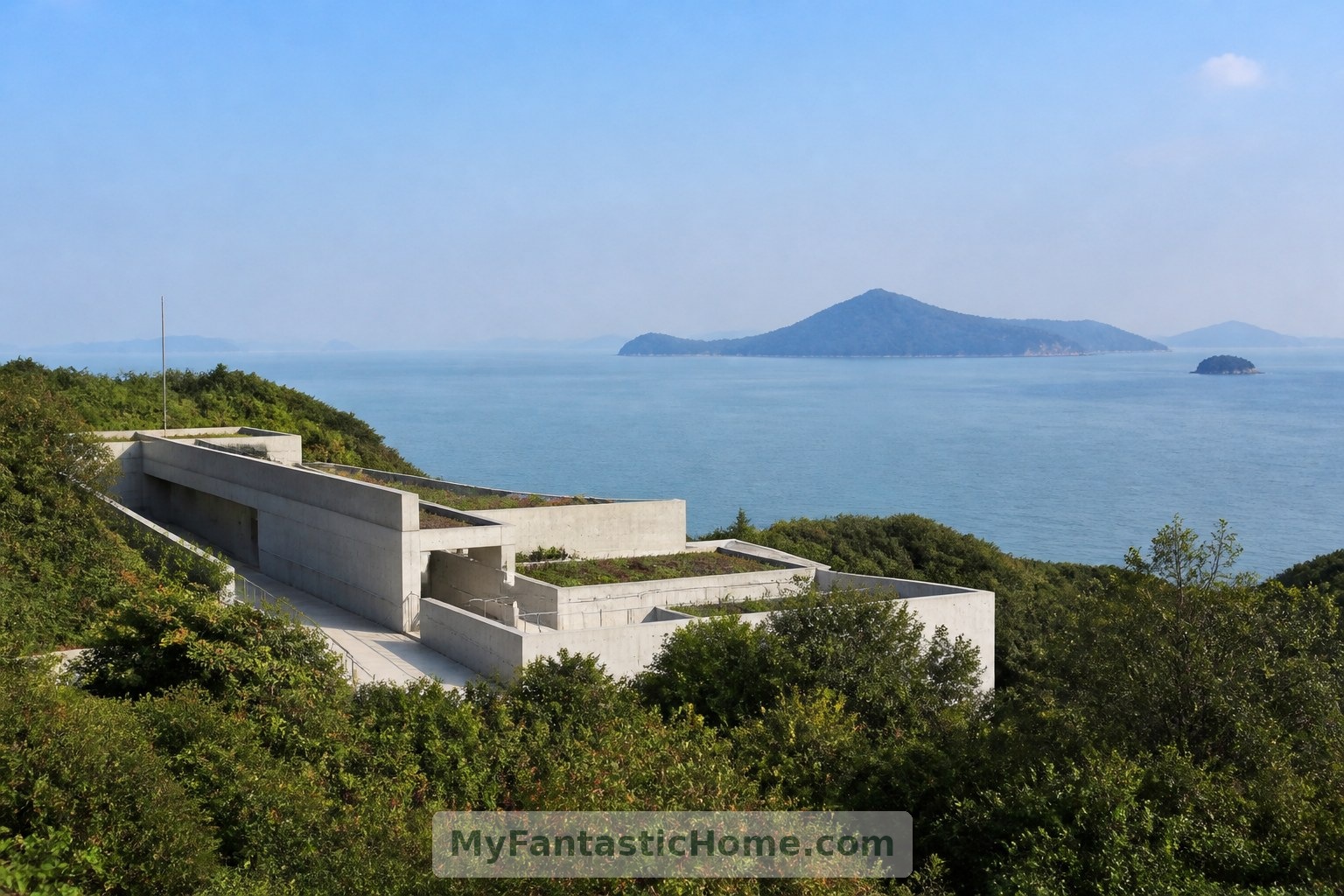
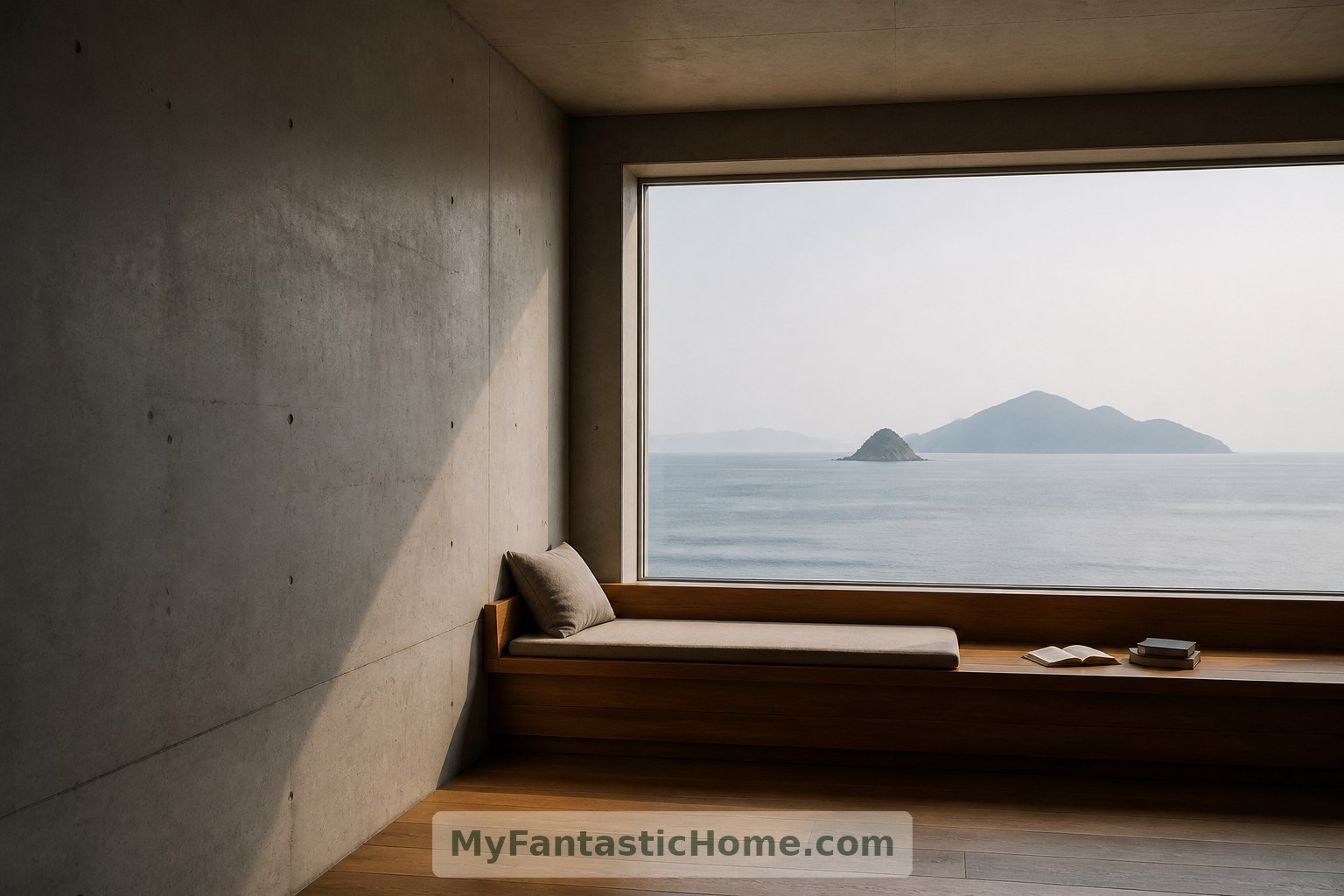
On Japan’s Naoshima island, Benesse House combines a museum and hotel, with architecture by Tadao Ando. Concrete, carefully framed views and the surrounding Seto Inland Sea make the relationship between building and landscape especially powerful.
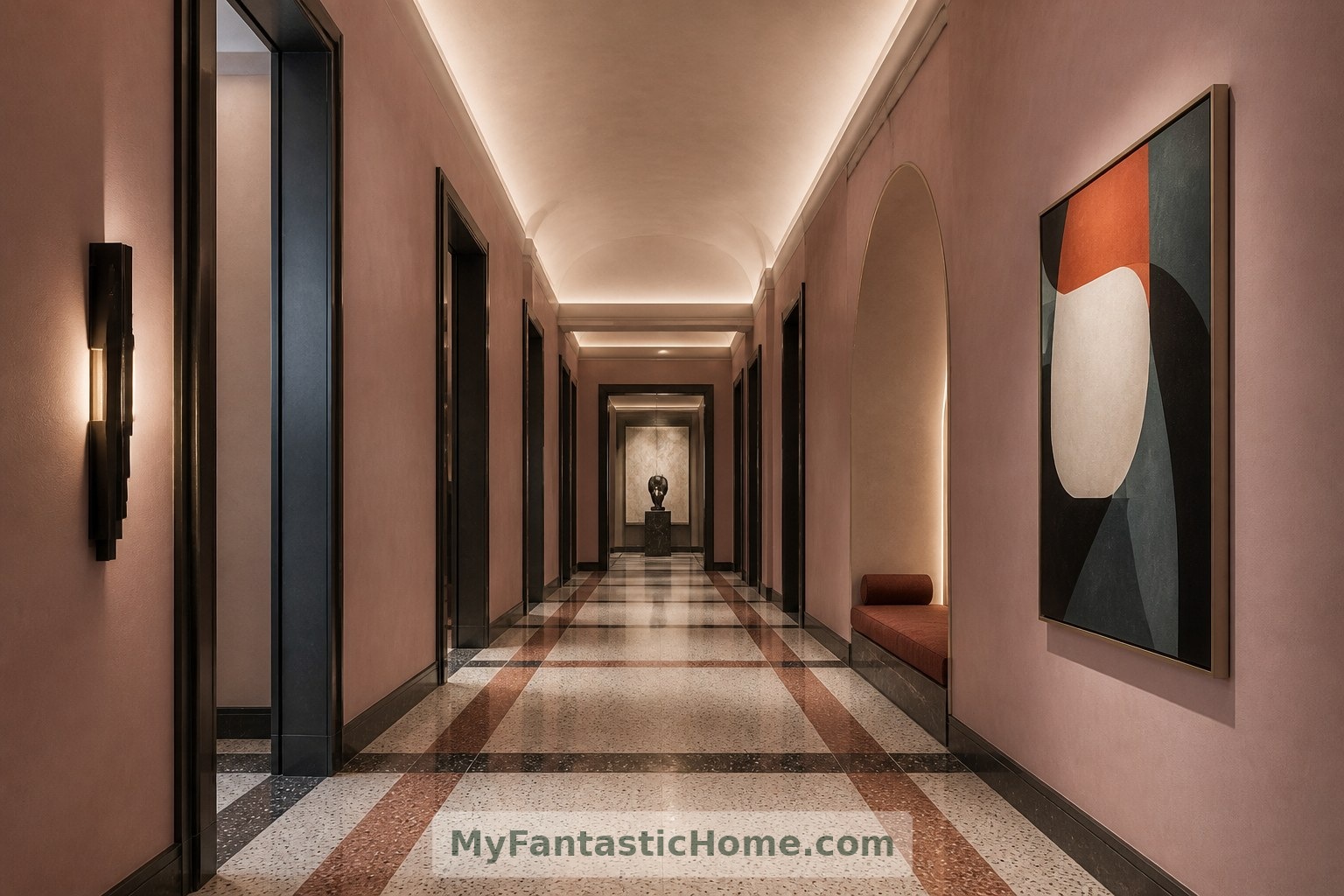
Rather than treating nature as scenery beyond the glass, this setting encourages attention to the intervals between artworks, walls and horizon. It offers a beautiful principle for extraordinary living spaces: leave something unfilled. An uncluttered passage or a quiet window can give both art and everyday life more breathing room.
Cape Town: Above the Museum, Not Inside It
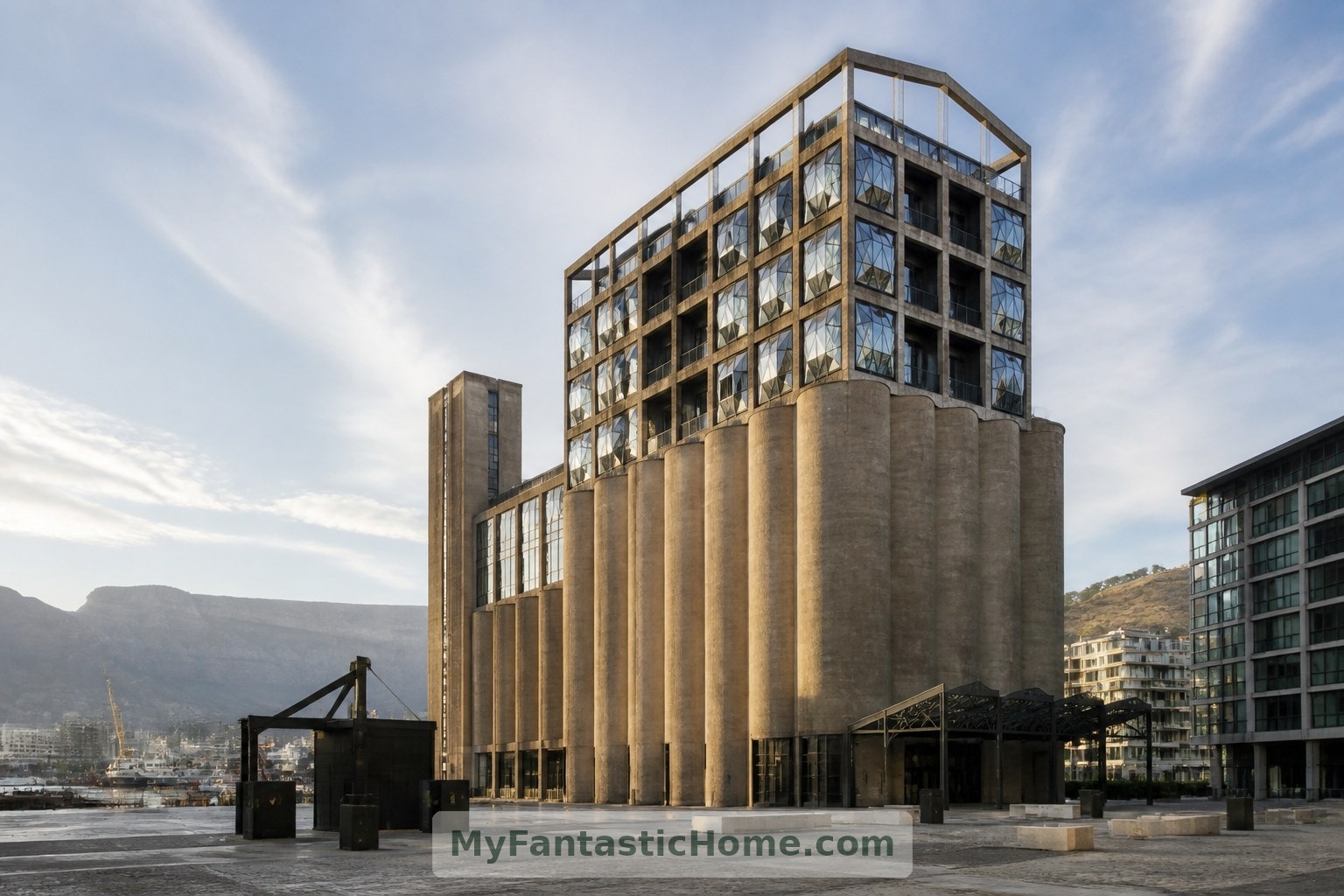
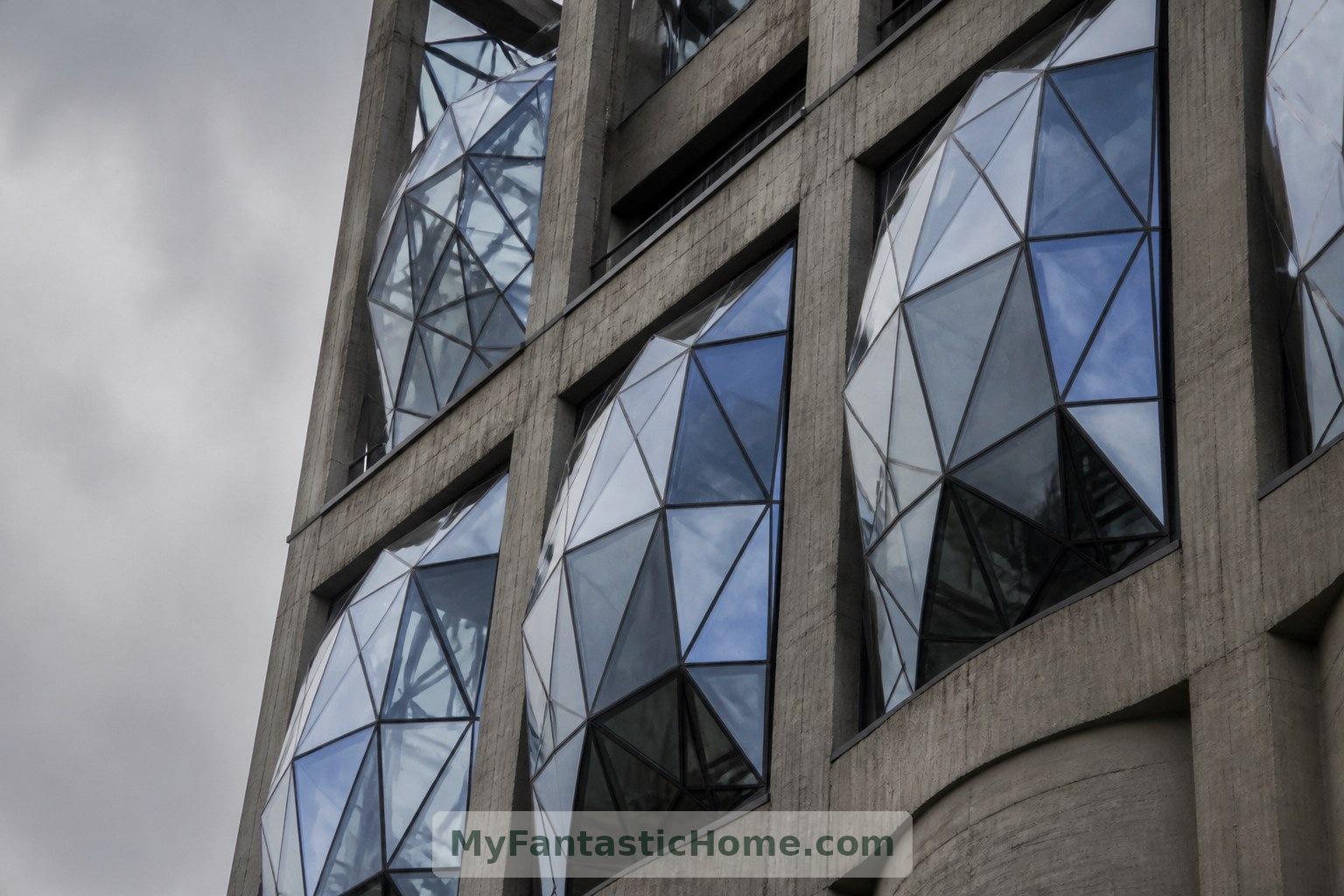
The Silo Hotel occupies the upper portion of Cape Town’s transformed grain elevator building, above Zeitz Museum of Contemporary Art Africa. The distinction matters: hotel and museum share an architectural landmark, but they are separate institutions.
The building’s projecting, faceted windows turn its industrial shell into something unexpectedly jewel-like. For design-minded travellers, this is a different kind of art-adjacent stay, where adaptive reuse and the city beyond the windows are as compelling as proximity to a major collection.
Bring the Museum-Hotel Feeling Home
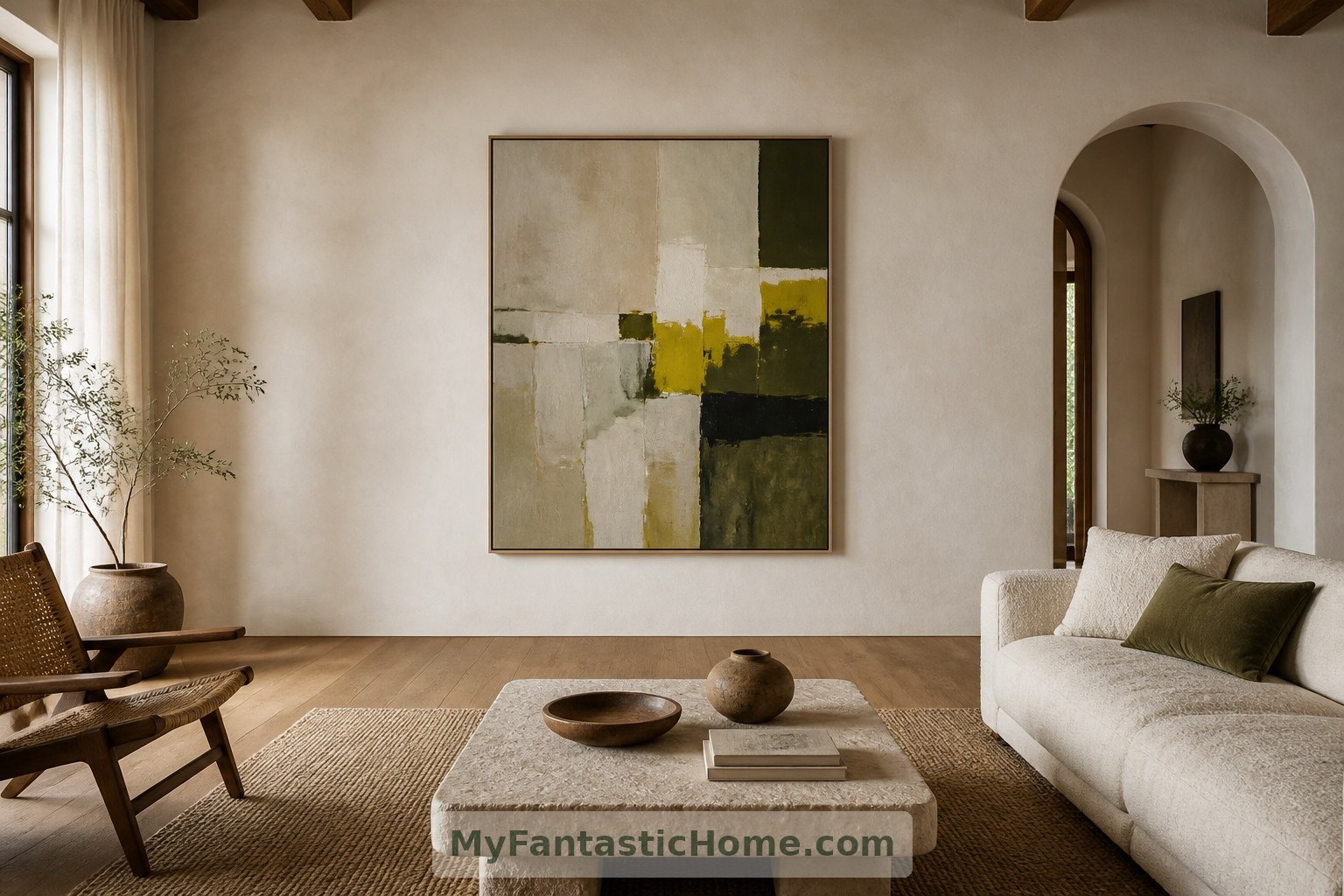
Begin with one work you genuinely want to live with, rather than a wall you feel obliged to fill. Give it space, consider its scale from a seated position and use lighting suited to its materials and conservation needs.
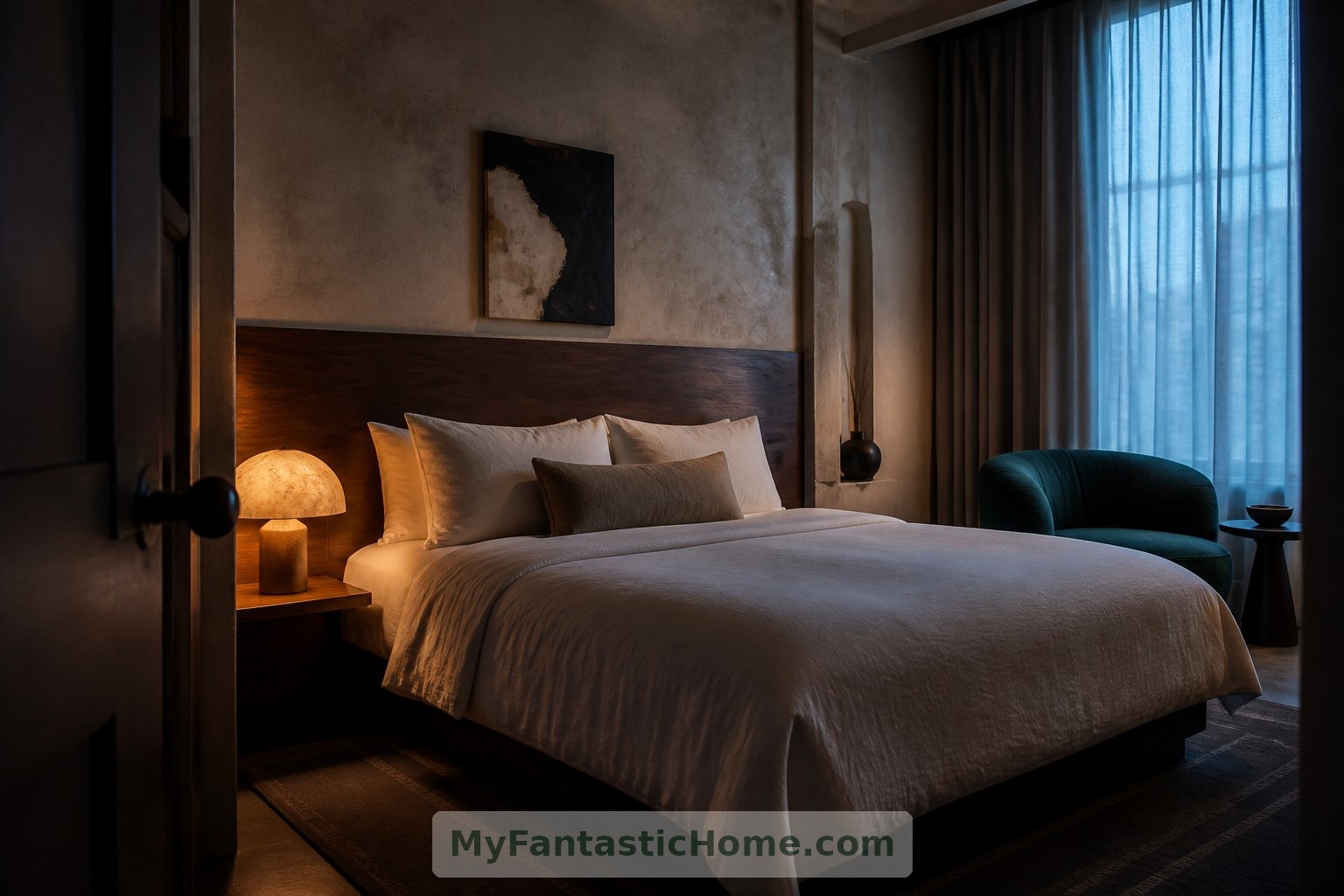
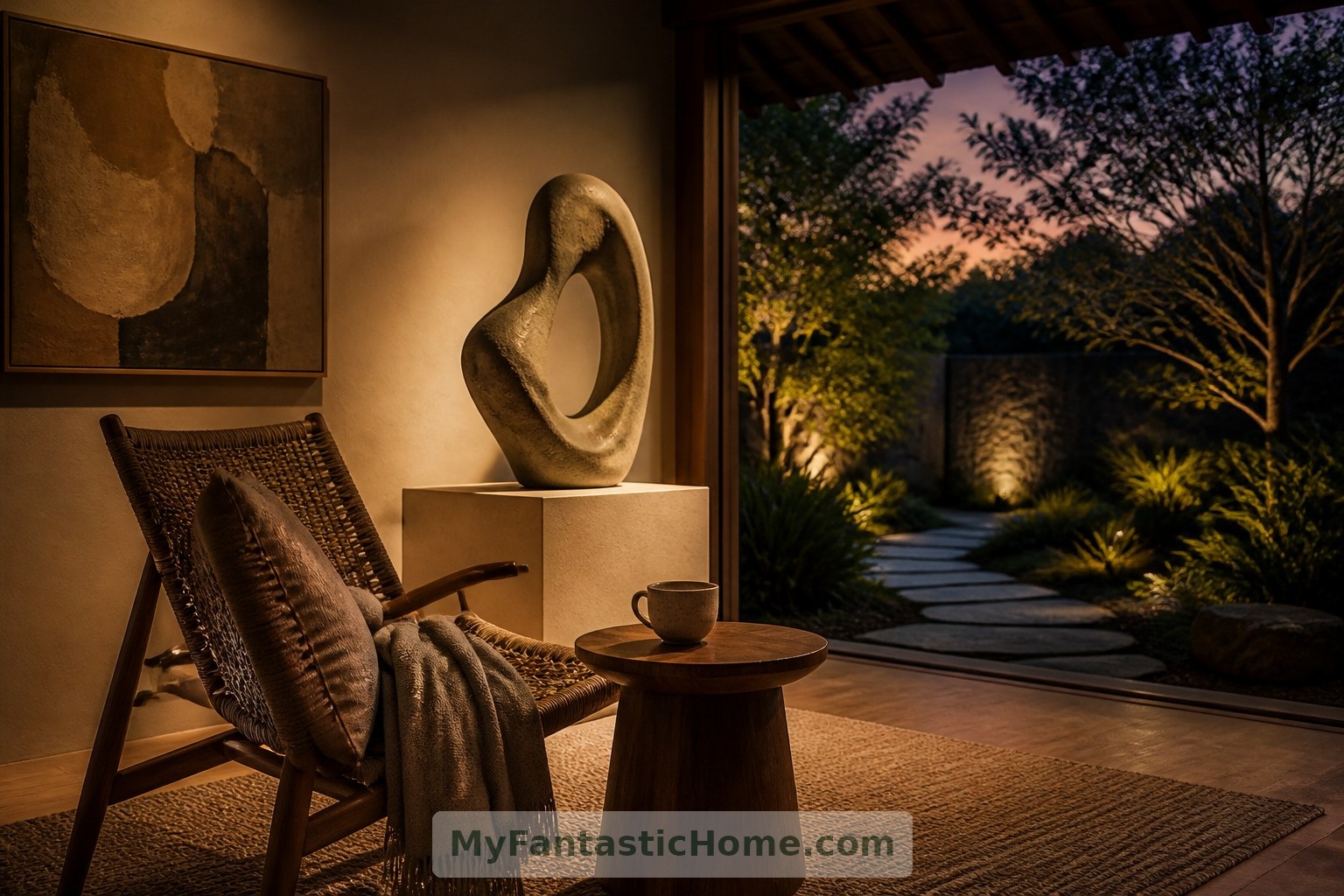
Then add hospitality: a comfortable chair, somewhere to set a cup and a route through the room that feels effortless. The dream is not a home that behaves like an institution, but one where curiosity feels welcome.
The lasting luxury of an art museum hotel is the invitation to pay attention. Whether through adaptive reuse, a sea-facing concrete wall or a thoughtfully placed artwork, these places reveal how architecture can make looking part of living.
How does this inspire you?
Choose one reaction. Click it again to remove it. Your choice is saved with a browser cookie.
Loading reactions…